The Sacred Architecture of Hindu Rituals: A Guide to Samskaras, Pujas, and Divine Harmony
The Sacred Architecture of Hindu Rituals: Aligning with the Divine
The foundation of Hindu religious life is not just a collection of beliefs, but a highly sophisticated and deeply meaningful system of rituals known as Puja. Far from being a rigid set of rules, this multi-dimensional architecture is beautifully designed to align our human experience with cosmic rhythms, biological transitions, and our highest spiritual aspirations.
Whether you are performing a simple daily prayer or a grand housewarming ceremony, every ritual serves as a profound mechanism to establish a direct connection between you and the divine.
The Three Pillars of Ritual Action (Karma)
Rooted in the concept of Dharma (righteous conduct), our scriptures suggest that every action carries a cosmic resonance. To maintain our spiritual hygiene, human actions are divided into three core categories:
Nitya Karma (Daily Duties): These are our vital, daily spiritual exercises, such as Sandhya Vandanam (daily prayers) and Agnihotram (fire offerings). They maintain our internal equilibrium and keep us receptive to divine energy.
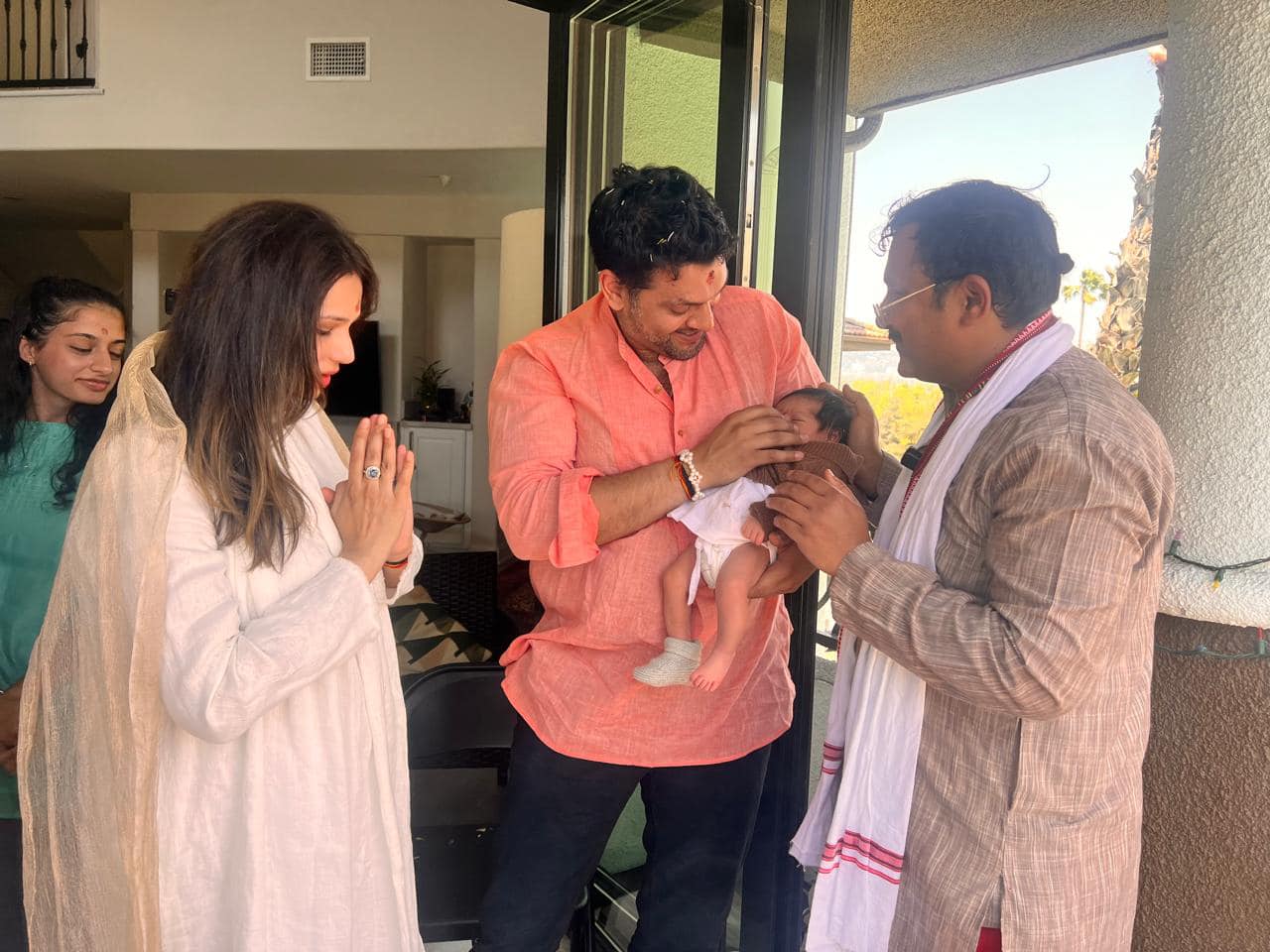
Naimittika Karma (Occasional Duties): These rituals anchor the significant milestones of our human journey, triggered by life events like the birth of a child, a marriage, or the passing of a loved one.
Kamya Karma (Desire-based Worship): This is the realm of volitional worship, where a devotee performs specific ceremonies—such as the Satyanarayana Puja or Lakshmi Homa—to attain a specific righteous goal, like success in business or recovery from illness.
The Blueprint of Human Refinement: The 16 Samskaras
Central to the Hindu lifecycle are the Shodasha Samskaras, a sequence of sixteen sacred rites of passage. Derived from Sanskrit, Samskara implies a process of refinement, purification, and perfection. Just as a sculptor refines a block of stone into a masterpiece, these rituals shape our character from the moment of conception until our final transition.
The complete journey of the 16 Samskaras includes:
Garbhadhana: The conception ceremony, transforming procreation into a sacred responsibility.
Pumsavana: Fetal protection ritual performed in the third month.
Simantonnayana: The hair-parting or baby shower ceremony for the mother's mental peace.
Jatakarma: The birth ritual welcoming the newborn soul.
Namakarana: The naming ceremony, typically on the 10th or 12th day, aligning the child with their astrological destiny.
Nishkramana: The child's first outing to experience nature in the fourth month.
Annaprashana: The first solid food feeding (usually kheer) in the sixth month.
Chudakarma: The first haircut or tonsure to remove past-life impurities.
Karnavedha: Ear piercing for decorative and health benefits.
Vidyarambha: Initiation into early learning and the alphabet.
Upanayana: The Sacred Thread Ceremony, marking spiritual awakening.
Vedarambha: The formal commencement of Vedic study.
Keshanta: The first shave, marking maturation and discipline.
Samavartana: Graduation and completion of studentship.
Vivaha: Marriage, the most significant adult rite for fulfilling duty and social stability.
Antyesti: The final rites, ensuring the soul's peaceful transition back to the elements.
The Art of Divine Hospitality: Shodasha Upachara
When we perform a Puja, we are fundamentally welcoming the deity into our home as an honored guest. This procedure, known as Shodasha Upachara, involves sixteen specific steps of hospitality.
The sequence begins with Avahana (invoking the deity into the physical icon) and includes offerings like Padya (washing the feet), Snana (a ceremonial bath), Vastra (clothing), and Pushpam (flowers). It culminates with Naivedya (food offerings) and a final Aarti (waving of the lamp). This structured devotion liberates the worshiper from mental clutter and fosters a state of profound oneness with the divine.
The Science and Power of the Sacred Fire (Havan)
One of the most transformative elements of Vedic worship is the Havan (or Homa), a sacred fire ritual where offerings of ghee, herbs, and grains are made to Agni, the divine messenger.
Beyond its deep religious significance, modern science highlights the Havan as an ancient fusion of spirituality and environmental health. Studies have shown that the vapors released from burning pure Havan Samagri possess potent antibacterial and antiseptic properties. The combustion of ingredients like cow ghee and medicinal herbs acts as a natural air purifier, while the fragrances of camphor and loban serve as aromatherapy, significantly reducing stress and increasing mental focus.
Planning Your Sacred Ceremonies: Auspicious Dates for 2026
Whether you are seeking the financial blessings of a Lakshmi Puja, neutralizing planetary obstacles through a Navagraha Shanti, or purifying a new home with a Griha Pravesh, timing is essential.
Here are the highly auspicious Muhurtas (windows of time) recommended for major pujas and new beginnings in 2026:
February 2026: 6, 11, 19, 20, 21, 25, 26
March 2026: 4, 5, 6, 9, 13, 14
April 2026: 20
May 2026: 4, 8, 13
June 2026: 24, 26, 27
July 2026: 1, 2, 6
November 2026: 11, 14, 20, 21, 25, 26
December 2026: 2, 3, 4, 11, 12, 18, 19, 30
(Note: Periods like the month of Ashada, Bhadrapada, or Adhik Maas should generally be avoided for new ventures.)
By following these traditional frameworks and maintaining a devoted heart, we bridge the gap between ancient wisdom and our modern lives, fostering an existence filled with balance, prosperity, and spiritual awakening.
Ready to plan your own beautiful wedding ceremony?
Explore Our Wedding Services