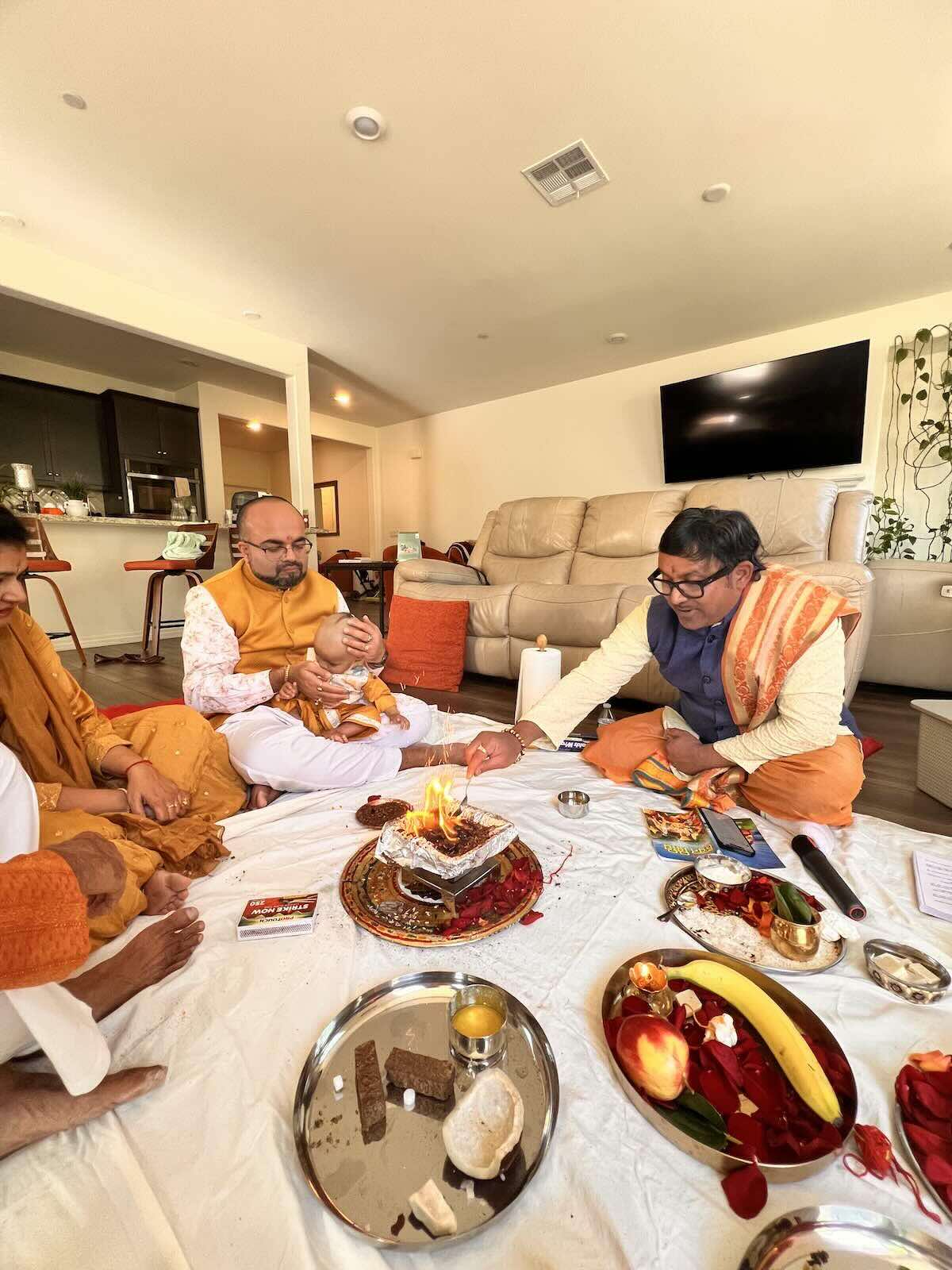
The Safe Sacred Fire: Essential Havan Safety Guidelines for Priests and Devotees
The Safe Sacred Fire: Essential Home Havan Safety for Priests and Devotees
The Havan (or Homam) is one of the most profound and universally practiced rituals in Hindu worship, serving as an essential component of daily prayers, house-warmings, and milestone celebrations. By inviting Agni (the sacred fire) into our homes, we create a direct conduit between the physical world and the divine. However, performing a sustained fire ceremony inside a modern residential environment requires a deep sense of responsibility from both the officiating Pandit and the host family (devotees). Because residential homes present highly variable spatial risks, ensuring absolute safety is a shared duty. By blending ancient Vedic wisdom with modern fire safety protocols, we can maintain the purity of the ritual while fully protecting our homes and loved ones. Here is a comprehensive safety guide covering the essential measures every priest and devotee must take before, during, and after a home Havan.
1. Pre-Ceremony Preparation: Setting the Stage
The foundation of a safe Havan begins long before the first match is struck. The environment must be carefully prepared to handle open flames and smoke.
Select the Right Havan Kund: For indoor residential ceremonies, always use a compact copper Havan Kund measuring 6 to 9 inches. This specific size creates a highly controlled fire, produces significantly less smoke, and is much easier to manage in an enclosed space.
Insulate the Floor: A Havan Kund must never be placed directly on carpet, rugs, or combustible wooden flooring. Devotees must prepare a non-combustible base, utilizing a heavy metal tray, a brick platform, or specialized high-heat-retardant mats to protect the underlying floor.
Master the Airflow and Ventilation: Proper airflow is critical. Always switch off the central Air Conditioning (AC) to prevent smoke from circulating through the home's ductwork. Ceiling fans and indoor floor fans pointing at the fire must also be switched off, as they can cause unpredictable flare-ups and blow embers into the room. Instead, open doors and windows to create natural cross-ventilation. If necessary, a fan can be placed in a window pointing outward to act purely as an exhaust fan.
Keep Smoke Alarms Active: Under no circumstances should life-saving residential smoke alarms be disabled, covered, or removed to accommodate a Havan. Instead, position the Havan Kund in a well-ventilated area that is not directly beneath the smoke detector.
2. Active Combustion: Fuel and Flame Management
The Havan is an active, sustained combustion event. Managing the fire requires patience, strict volume control, and an understanding of how sacred fuels react to heat.
Use Low-Smoke Fuels: To dramatically reduce indoor smoke generation, always prioritize clean-burning materials. Use dry mango wood (Aam ki Lakdi) paired with dry Khopra (dried coconut kernel). Dry Khopra burns beautifully and steadily, minimizing the acrid smoke that triggers alarms.
Control the Ghee and Samagri: The primary cause of excessive smoke is improper fuel application. Adding too much Havan Samagri (herbs) or ghee at once will smother the fire. Priests must maintain a steady, low flame by offering only small, measured pinches of samagri and small spoonfuls of ghee.
Understand the Ghee Fire Hazard: Ghee is a highly flammable cooking fat, and the margin between its flash point and auto-ignition temperature is perilously narrow. Never pour water on an active ghee fire. Introducing water to burning ghee causes a massive steam explosion, ejecting superheated oil outward.
Handle Camphor with Care: Camphor is highly volatile and easily ignited, but as it burns, it melts into a liquid state that can adhere to the skin and cause severe burns. Always burn camphor in specialized, heat-resistant metal vessels equipped with extended handles, and use long lighters for ignition.
3. Post-Ceremony Protocols: Cool Down and Safe Disposal
The conclusion of the ritual is when many preventable accidents occur. The transition from an active fire to safely disposed ashes must be handled meticulously.
Move the Kund Outdoors Immediately: Once the final Purnahuti is offered and the active flames have naturally subsided, do not let the Kund sit indoors to smolder. Carefully use heat-resistant gloves or thick cloths to transport the Havan Kund to the backyard or a safe outdoor space as soon as possible.
The Safe Cool-Down Process: Once safely outdoors, carefully cover the Havan Kund with aluminum foil. To safely cool the remaining extinguished embers and ash, you can gently pour a small amount of water over the foil and into the edges of the ash. (Note: This water cool-down must only be done outdoors on extinguished embers, never on an active, open ghee fire).
Never Leave Burning Ashes Behind: A mandatory fire watch duty must be instituted. The priest or a designated family member must monitor the Havan Kund until it is absolutely cold. A priest should never leave the premises while burning or hot ashes remain.
Eco-Friendly Final Disposal: Once the ashes are completely cold, they must be safely managed. While transferring to sealed, non-combustible metal containers is the standard safety protocol for transit, the ultimate eco-friendly disposal method is returning the sacred ashes to the Earth. You can mix the cold ash into your green garden waste, or simply dig a small hole in your backyard and bury the ashes safely in the ground, allowing the spiritual energy to nourish your home's soil.
By rigorously following these safety steps, priests and devotees can ensure that the divine light of the Havan brings only peace, prosperity, and absolute safety to the household.
Pandit Manuj Dutt Hindu Priest and Officiant serving all USA, Contact : 805-585-8919 PowerPujaUSA.com
Ready to plan your own beautiful wedding ceremony?
Explore Our Wedding Services